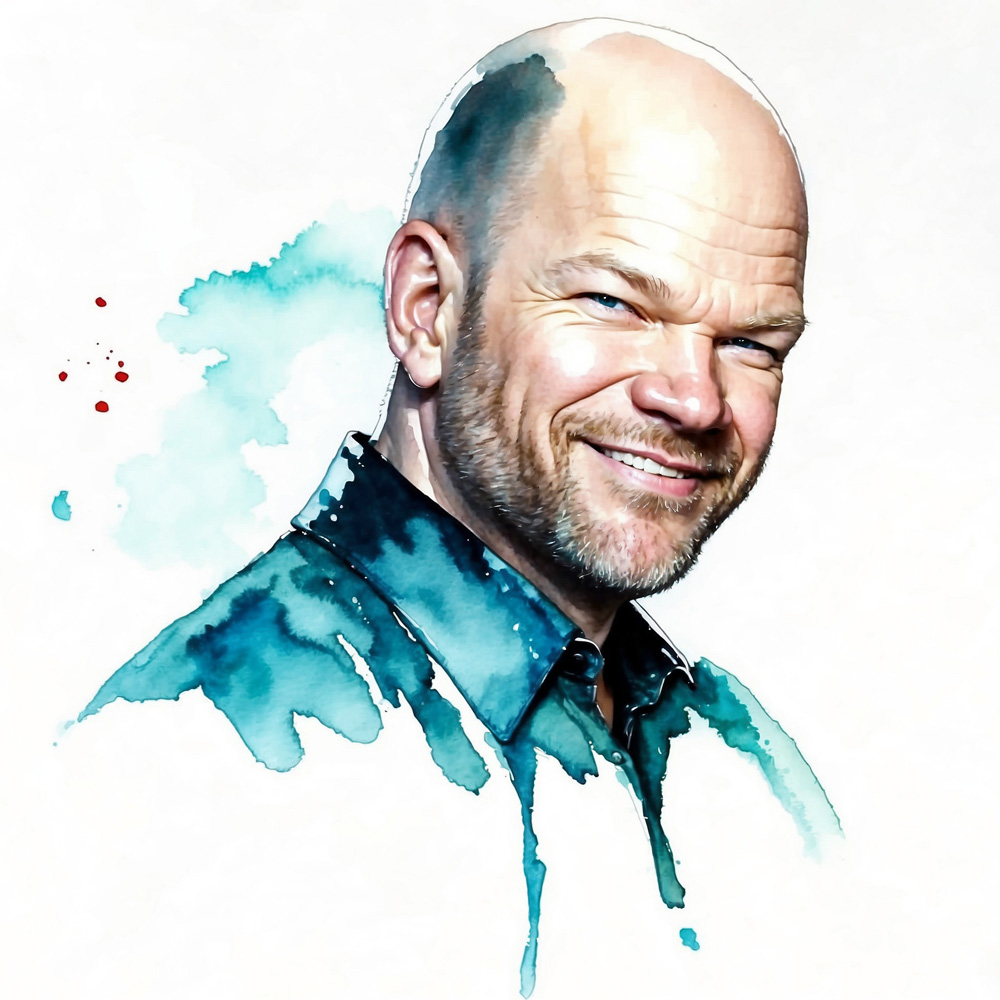
Uwe Boll

Uwe Boll on saksalainen ohjaaja ja tuottaja. Kirjallisuuden tohtori päätti siirtyä elokuva-alalle 1990-luvun alussa aloittaen kammottavan surkeilla elokuvaviritelmillä. Jostain oudosta syystä Bollille kuitenkin avautui mahdollisuuksia päästä tekemään elokuvia myös kansainvälisille areenoille ihan oikeiden näyttelijöiden kanssa: Sanctimony (2000), Blackwoods (2001), Heart of America (2002), House of the Dead (2003), Alone in the Dark (2005), BloodRayne (2005), jotka kaikki järjestäen osoittautuivat hyvin huonoiksi elokuviksi, mutta joiden räikeä kaupallisuus onnistui kuitenkin pitämään ohjaajan mukana bisneksessä. Hyvin pian Boll oli profiloitunut tekemään surkeita elokuvajäljitelmiä menestyneistä tietokonepeleistä ja vaikka väliin mahtuu joitakin ihan kelvollisiakin elokuvia (Tunnel Rats (2008), Stoic (2009), Rampage (2009), The Age of Greed (2013)), valtaosa Bollin elokuvista on vain erittäin huonoja. Boll kuitenkin on onnistunut pysymään pinnalla elokuvamaailmassa ja edelleen kykenee hankkimaan elokuviinsa jopa nimekkäitäkin tähtiä, joten ainakin elokuvaviritelmien tuotannollisessa puolessa Boll on onnistunut. Kaikista oudointa on, että Boll todella pitää itseään elokuva-alan nerona (hänen omat sanansa hänen haastattelustaan)!

Uwe Boll tässä blogissa:

Uwe Boll is a producer and director from Germany. A doctor of literature who turned his interests towards the world of movies in the early 1990’s and has become known as one of the worst film directors of all time. He started with truly awful German films and for some odd reason he was then given several chances to produce and direct actual films with actual professional actors and with actual budgets: Sanctimony (2000), Blackwoods (2001), Heart of America (2002), House of the Dead (2003), Alone in the Dark (2005) and BloodRayne (2005). All of them were sprayed with adequate glitter to cover up the fact that these were truly God-awful films. But films that nevertheless were commercially viable enterprises keeping Boll afloat in the movie industry. Quite soon Boll was profiled into a film hack making awful garbage out of successful computer game franchises. Even though Boll has managed to churn out some adequate movies (Tunnel Rats (2008), Stoic (2009), Rampage (2009), The Age of Greed (2013)), the bulk of his output fills the bottoms of the barrels of celluloid trash. Nevertheless Boll has managed to stay in the business and even today (2024) has been able to secure pretty important actors to ’act’ in his films so at least he is fairly seasoned as a producer. The really odd thing about Boll is that he actually thinks he is a genius film maker (his words from his own interview)!

Uwe Boll in this blog:

  • Movie review (in Finnish only): Apocalypse Z (Luca Boni, Marco Ristori, 2013)
  • Movie review (in Finnish only): BloodRayne (Uwe Boll, 2005)
  • Movie review (in Finnish only): House of the Dead (Uwe Boll, 2003)

Danny Boyle

Danny Boyle on brittiläinen elokuvaohjaaja, käsikirjoittaja ja tuottaja. Boyle aloitti ohjaajana television puolella. Ensimmäinen varsinainen elokuvaohjaus oli erinomaisen onnistunut ja edelleen vaikuttava rikosjännäri Shallow Grave (1994). Boyle on tullut tunnetuksi laajemmille yleisöille lähinnä hänen draama- ja elämäkertaelokuvistaan, mutta tämän blogin kannalta kiinnostavien lajityyppien kohdallakin Boylen pitäisi olla tunnettu nimi. Vai mitä sanotte elokuvista 28 Days Later (2002), Sunshine (2007) ja Trance (2013)?

Danny Boyle tässä blogissa:

Danny Boyle is British director, screen writer and producer. While he started doing television productions, he made a serious impact with his film debut as director in the thrilling crime film Shallow Grave (1994). For wider audiences Boyle is probably most well known for his drama and biography films. Regarding the themes and interests of this particular blog, Boyle has also delivered. Or what say you when it comes to films like 28 Days Later (2002), Sunshine (2007) and Trance (2013)?

Danny Boyle in this blog:

Maria Bello

Maria Bello on yhdysvaltalainen näyttelijä ja tuottaja. Bello aloitti 1990-luvulla paljolti televisiotuotantojen parissa, mutta vuosituhanteen vaihteen paikkeilla siirtyi elokuvien pariin. Bellolle on kertynyt mukavasti rooleja jännitys-, tieteistoiminta- ja kauhuelokuvien lajityypeissä. Esimerkkeinä voisi antaa naispääosarooli David Koeppin mysteerissä Secret Window (2004), sivuosarooli Jean-François Richetin rikostoimintaelokuvassa Assault on Precinct 13 (2005), naispääsarooli David Cronenbergin rikostoimintaelokuvassa A History of Violence (2005), naispääosarooli Brian Helgelandin rikostoimintaelokuvassa Payback (1999), sivuosarooli David F.Sandbergin kauhumysteerissä Lights Out (2016) ja vaikka pääosarooli Mikael Salomonin mainiossa rikosjännärissä Big Driver (2014).

Maria Bello tässä blogissa:

Maria Bello is an actress and producer from the United States. While Bello started her acting career in the early 1990’s, it was only at the dawn of the new millennium that she switched from television productions to film roles. And we’re glad for that as she has a number of interesting roles in thriller, science fiction, action crime and horror film genres. From those genres she is known from such roles as a female lead in David Koepp’s mystery thriller Secret Window (2004), a supporting role in Jean-François Richet’s action thriller film Assault on Precinct 13 (2005), a female lead in David Cronenberg’s action thriller film A History of Violence (2005), a female lead in Brian Helgeland’s action thriller Payback (1999), a supporting role in David F.Sandberg’s horror mystery Lights Out (2016) and why not throw in a riveting lead role in Mikael Salomon’s crime thriller Big Driver (2014).

Maria Bello in this blog:

Sammo Hung

Sammo Hung on hongkongilainen elokuva-alan monitoimimies. Kansainväliselle yleisölle Hung lienee parhaiten tunnettu yhteisistä projekteistaan Jackie Chanin ja Bruce Leen kanssa, mutta Kaakkois-Aasian markkinoilla Hung on tullut tutuksi laajoille yleisöille ihan ilman muitakin. Miehellä on uraa näyttelijänä jo 1960-alusta saakka. 1970-luvulla Hung oli mukana jos ja vaikka missä kamppailulajielokuvassa niin Hong Kongissa kuin muuallakin hänen kattavien kamppailulaji- ja akrobatiataitojensa vuoksi. Elokuvarooleja Hungilla on etupäässä Hong Kong -toimintaelokuvissa, mutta hän on toiminut myös ohjaajana, stunttina, stuntohjaajana, koreografina ja tuottajana.

Sammo Hung is a Hong Kong film industry’s Jack-of-All-Trades and a staple of HK-action cinema since the 1960’s. For western international audiences Hung is perhaps known mainly from his co-operation with Jackie Chan and Bruce Lee but in South East Asia he is quite well known on his own. He has been involved in dozens of key action and Martial Arts films produced during the Hong Kong action film’s golden era either as an actor, producer, stuntman, choreographer, stunt director, action director and director. However, as Hong Kong’s star in the industry has waned, Hung is still continuing strong. His acting career in films is now (2024 at the time of this writing) spanning over seven decades!

Jackie Chan

Jackie Chan on hongkongilainen näyttelijä, ohjaaja, stuntmies ja tuottaja. Chan on erityisen tunnettu tavaramerkiksi muodostuneesta tavasta yhdistellä slapstick-komediaa ja kamppailulajiakrobatiaa innovatiivisiin stuntteihin. Chan aloitti uransa elokuvien parissa jo 1960-luvulla lapsinäyttelijänä ja puolentoista sadan elokuvan jälkeen jatkaa edelleen alalla eläköitymisen asemesta. Chan teki pitkään elokuvarooleja vain Hong Kongin markkinoille tähdätyissä elokuvassa ja ensimmäiset yritykset kansainväliseen menestykseen 1980-luvun alussa olivat vain osittain menestyksekkäitä. Chan palasi takaisin Hong Kongin markkinoille ja tuon ajan elokuvat nostivat hänet yhdeksi Aasian keskeisiksi elokuvamaailman tekijöistä. Chan onnistui tekemään taloudellisesti merkittäviä hittejä toisensa perään yhdessä Sammo Hungin ja Corey Yuenin kanssa, jotka molemmat olivat Chanin kurssikavereita näyttelijäkoulusta. Valtaisan suosion saattelemana Chan yritti uudelleen kansainvälistä läpimurtoa Yhdysvaltain markkinoiden kautta ja onnistui viimein 1990-luvun puolivälissä. Chan kyllästyi kuitenkin pian yhdysvaltalaisstudioiden toimintatapoihin ja siirtyi takaisin Hong Kongiin 2000-luvun puolen välin jälkeen. Chan on jatkanut siitä saakka elokuvien tekemistä, mutta mukaan on tullut kiinalaisen rahan myötä myös aimo annos virallista Kiinaa myötäileviä poliittisia vivahteita samalla, kun itse mieskin on siirtynyt kommunistisen puolueen suojatiksi.

Jackie Chan tässä blogissa:

Jackie Chan is a Hong Kong actor, director, producer and stuntman. Chan is especially known for his unique style of combining slapstick-comedy and Martial Arts acrobatics with innovative stunts. Chan started his film career as a child actor in the early 1960’s and after appearing in over 150 films, he is still continuing work in the film industry instead of choosing retirement. Chan made movies in Hong Kong targeted for South East Asian markets mainly until he tried to make an international breakthrough in the early 1980’s. It didn’t quite work out as planned and Chan returned to Hong Kong where he churned out a small legion of commercially successful films together with his former student friends Sammo Hung and Corey Yuen and eventually becoming a major Asian superstar in the process. This success made Chan try an international breakthrough again through the U.S. markets and this time he succeeded becoming one of the most iconic action film stars in the entire world in the 1990’s. However, Chan was not happy working within the U.S. studio system and eventually shifted again back to Hong Kong in the mid-2000’s. He has continued making movies but with a clear shift to films with not-so-subtle pro-China political messages (propaganda even) followed by him becoming a protegee of the China’s communist party parroting Beijing’s ideology and anti-Taiwanese stance.

Jackie Chan in this blog:

Takashi Miike

Takashi Miike on japanilainen yhden miehen elokuva-alan tehosekoitin. Miike aloitti alan opinnot nuorukaisena arvostetun ohjaajan Shôhei Imamura opetuksessa, mutta oli kärsimätön ja huolimaton opiskelija. Veri teki tekemisen puoleen ja sen jälkeen kun ensimmäiset askeleet television puolelle oli otettu ja Miike pääsi aloittamaan elokuvien kanssa, ei häntä voitu enää pidätellä. Miiken elokuvat ovat äärimmäisen väkivaltaisia, provokatiivisia, lajityyppien rajoja tahallaan särkeviä ja roisisti tabuja hajottavia. Miike on ollut tuottajana, kuvaajana, käsikirjoittajana, leikkaajana, ohjaajana, näyttelijänä ja varmaan yövartijanakin omissa tuotannoissaan eikä alalla oikein näyttäisi olevan mitään hommeleita, mitä Miike ei tee. Tajuttoman kiireinen ohjaaja on ilahduttanut erityisesti kauhuelokuvien ystäviä niin suurella määrällä elokuvia, että tänne niistä edes keskeisimpien kymmenien listaaminen ei olisi järkevää. Kolmessa vuosikymmenessä toistasataa elokuvaa eikä mitään loppua ole näkyvissä. Parhaimmillaan Miike on taikonut jopa puolen tusinaa elokuvaa vuodessa (kuten 1999, jolloin muuten tuli ulos Miiken yksi arvostetuimmista elokuvista Ôdishon [Audition] (1999)). Todella huimaa toimintaa!

Yoshihiro Nishimura tässä blogissa:

Takashi Miike is a Japanese movie business’ gold-plated assault rifle with never ending bullets. He started studying film at the age of 18 under the respected Japanese film director Shôhei Imamura but he was restless and disruptive in his studies as he could not wait to actually do stuff. After his meager odd-jobs for television landed him opportunities to work in the movies, he started a seemingly endless barrage of movie-fireworks that continue to this day (2024). Miike’s films are extremely violent, provocative and decidedly grossly genre- and taboo breaking. He has worked in pretty much all areas of film making one can think of (although I’m not sure if he has ever been a night-time guard at a set!) and while it is easy to just browse through his list of films he has directed, one should also take a peek at everything else he was involved in of those productions. There’s seemingly nothing in the industry he hasn’t been doing! A never stopping Duracell-bunny comes to mind when once realizes the sheer number of films he mas made in the past 30 years. It’s not uncommon for Miike to push out even half a dozen films in a year (such as in 1999 when also one his most acclaimed directorial work Ôdishon [Audition] (1999) was made). It’s pointless even trying to list his horror genre works as I might run out of memory in this blog. Truly amazing!

Takashi Miike in this blog: